
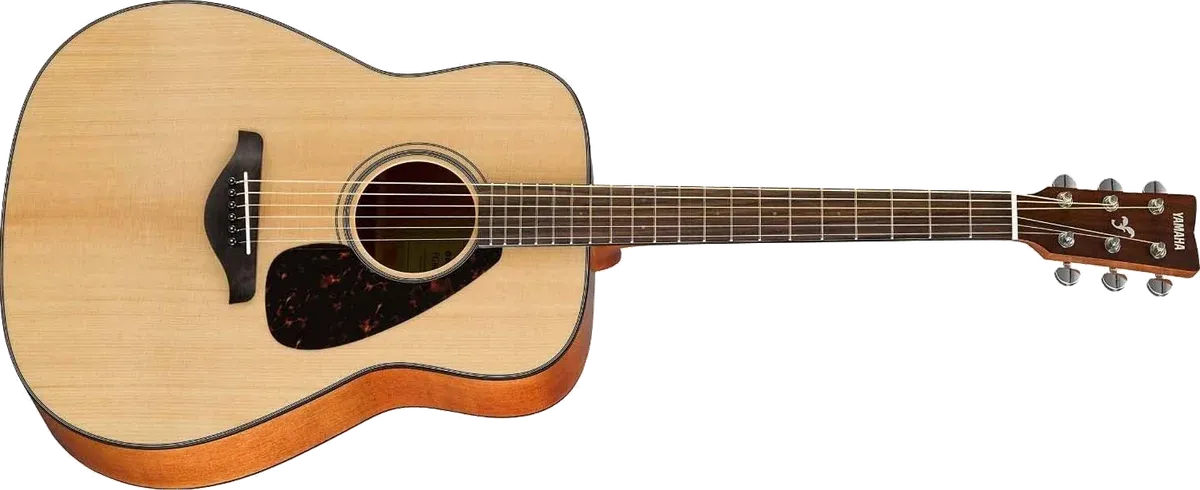
Yamaha FG800
A solid spruce top, the highest rating here from the most owners, and a full, loud sound for strumming or picking.
Check price on AmazonWhat owners say about string height on day one, comfort in the first months and how these guitars hold up, and which body size fits the person who'll play it.
Heads up: we earn a commission if you buy through our Amazon links, at no cost to you. It never decides our picks. Affiliate disclosure
A solid spruce top, the highest rating here from the most owners, and a full, loud sound for strumming or picking.
Check price on Amazon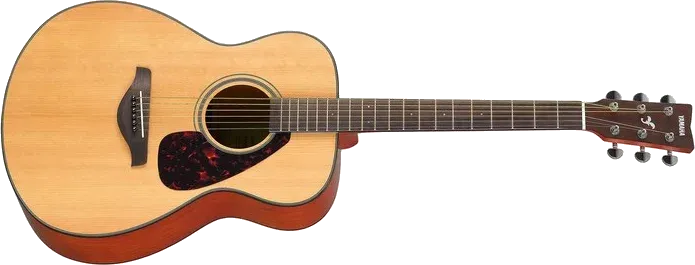
The FG800's solid top in a smaller, lighter concert body that's easier to wrap an arm around.
Check price on Amazon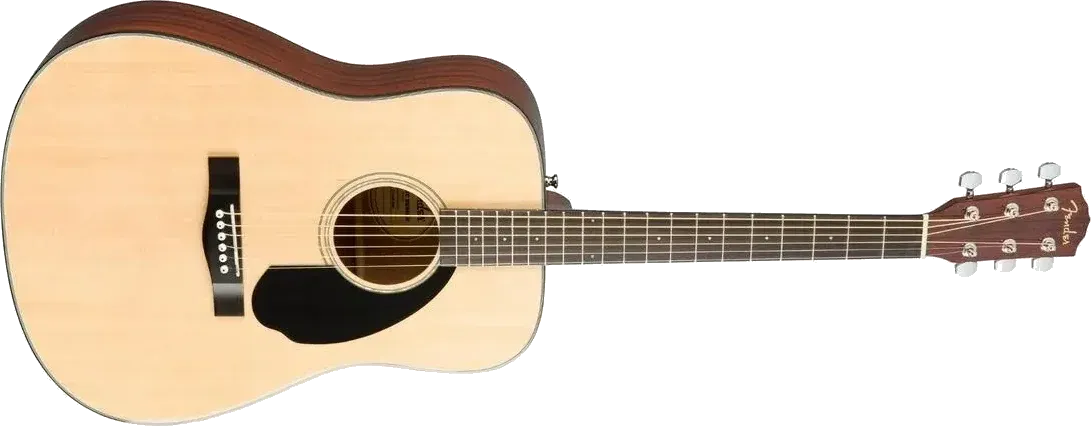
A solid-top dreadnought with a glossy finish owners love, and a neck with rolled edges that's comfortable to hold.
Check price on Amazon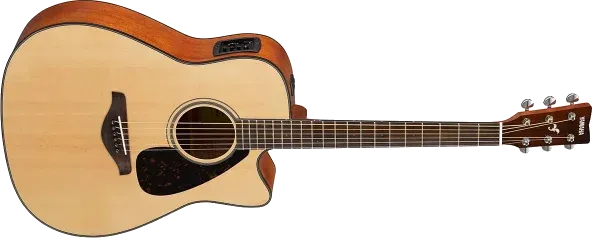
The FG800 with a cutaway, a pickup with a 3-band EQ and a built-in tuner, so you can plug into an amp.
Check price on Amazon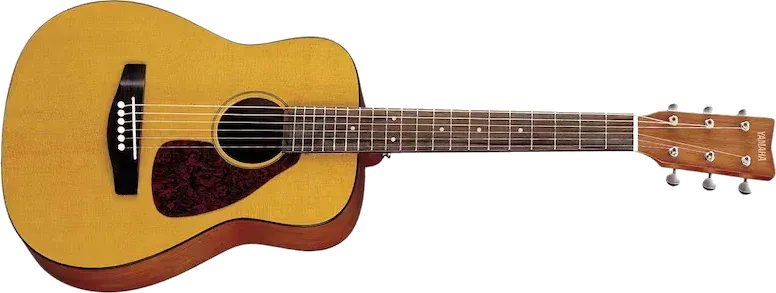
A 3/4-size acoustic with a 21-inch scale, under 5 pounds, with a gig bag in the box.
Check price on AmazonJump to: Yamaha FG800 · Yamaha FS800 · Fender CD-60S · Yamaha FGX800C · Yamaha JR1 FG Junior
| Pick | Best for | Body | Top | Most-cited gripe | Owner rating |
|---|---|---|---|---|---|
| Yamaha FG800 | Most adult beginners | Dreadnought | Solid spruce | High action out of the box | 4.8 (1,227) |
| Yamaha FS800 | Smaller adults and teens | Concert | Solid spruce | Setup varies | 4.7 (497) |
| Fender CD-60S | Strummers on a budget | Dreadnought | Solid spruce | Setup varies | 4.6 (946) |
| Yamaha FGX800C | Playing through an amp | Dreadnought cutaway | Solid spruce | Shipping damage | 4.7 (275) |
| Yamaha JR1 FG Junior | Kids | 3/4 size | Laminate spruce | Needs a setup | 4.4 (1,122) |
Ratings checked on Amazon on October 19, 2026. They change over time.
The verdict: The FG800 is the acoustic we'd buy for most adult beginners. It's a full-size dreadnought with a solid spruce top, where many cheap acoustics use layered wood (laminate). It has 4.8 stars from 1,227 Amazon ratings, the best score of the five. Owners call it loud and full, and two experienced players who bought one for their kids say they want one for themselves. One owner who has played for 35 years says it handles flatpicking, fingerpicking and strumming equally well.
The catch is the setup. Four of its top eight Amazon reviews say the strings sat higher off the fretboard than they'd like, and two owners found the neck bowed. High strings make chords hurt. Two owners fixed it themselves in about an hour by adjusting the neck, lowering the strings and putting on a new set, and one says a hex wrench came in the box. Another paid a shop $80. Others got one that played well straight from the box.
The savings show in the small parts. One owner says the tuners turn unevenly, another found a few sharp fret ends, and the dots on top of the fretboard are hard to see.
How often each theme comes up across owner reviews and forum threads.
Day one
Four of the top eight reviews found the strings sitting high. Lowering them is a quick job for a shop, and one owner did it at home with the wrench from the box.
First months
One owner who adjusted the neck and string height says the adjustment has held.
Over time
Experienced players keep one as a guitar for camping and second homes. One Reddit owner worries about dry weather, since a solid top needs some humidity.
The verdict: The FS800 is the FG800's smaller sibling, and it's the one we'd pick for shorter adults, teens and anyone who finds a big dreadnought awkward. It has the same solid spruce top, but the body is thinner at the waist and weighs 5.8 pounds. A 5-foot owner says the concert size works well for her, and her 12-year-old was comfortable playing it too. Owners also like it for fingerpicking.
The trade-off is a lighter low end. Owners describe the sound as bright, and two found it a little thin in the bass or "twangy and boxy" until they tried other strings. On Reddit, the usual advice is the FG800 if you mostly strum and the FS800 if you want comfort or play with your fingers.
Setup is hit or miss, as with the FG800. Two owners say it played well right out of the box, and one guitar tech found the neck "dead on". Two others found the strings too high, and one of them also found the saddle too thin for its slot. That owner raised their review to five stars after a setup. One owner who has had theirs eight months says it still stays in tune for several sessions at a time.
How often each theme comes up across owner reviews and forum threads.
Day one
Some arrive ready to play. Others need the nut and saddle lowered, so budget for a setup.
First months
Several owners swapped the factory strings for lighter ones to go easier on their fingers.
Years in
One forum owner says it has sounded better over three years. Another made it the only guitar they play.
The verdict: The CD-60S is Fender's beginner acoustic and the main rival to the FG800. It's also a dreadnought with a solid spruce top, with mahogany back and sides and a walnut fingerboard. Fender rounds off the fingerboard edges, and two owners mention how comfortable it is. Three of its top reviews say it arrived set up well or close to in tune. The looks get a lot of praise too: a full gloss finish, also sold in black, sunburst and an all-mahogany version.
Owner opinions split on sound. Several call it warm and full, but one experienced player found it quieter than expected for its size and keeps it for practice. On Reddit, commenters say Fender acoustics leave the factory with the strings set high, and one argues an average FG800 has more even frets, so its strings can go lower. One Amazon owner had the opposite problem: strings so low they buzzed halfway up the neck.
It's a big guitar. One owner, a beginner, thought about returning it because it felt too big, and got used to it over a few months.
How often each theme comes up across owner reviews and forum threads.
Day one
Several owners only had to tune it. Reddit regulars still recommend a setup, and one store bundle came with a setup credit.
First months
One owner fixed buzzing with heavier strings and a thin shim under the saddle.
The verdict: The FGX800C is the FG800 with electronics. It has an under-saddle pickup, volume and tone controls, and a built-in tuner, which three owners single out. The cutaway lets you reach the high frets. It's the one to get if you plan to play at open mics, at church or in a band, or to record straight into a computer. One owner who played in rock bands for ten years says it plays as well as their Gibson Hummingbird.
Plugging in has a cost. The electronics take up space inside the body, so it doesn't project as well unplugged. One owner says plainly that it's not the one to buy if you'll mostly play it as a regular acoustic. Another owner who also has an FG800 found the FGX800C's strings set higher and had to tame the bass when plugged in.
Shipping is a weak spot. One owner's first guitar arrived cracked down the front in a thin cardboard box; the replacement was flawless. On an acoustic guitar forum, one buyer had a saddle too small for its slot replaced and the neck adjusted.
How often each theme comes up across owner reviews and forum threads.
Day one
Check the top for cracks before you play. Shipping damage turns up in reviews from several countries.
First months
A forum buyer replaced an undersized saddle and adjusted the neck. One Amazon owner only tweaked the neck.
Years in
One owner played it for a couple of years, then traded it for a guitar with lower action and better electronics.
The verdict: The JR1 comes up again and again when parents on Reddit ask what to buy. It's a 3/4-size version of Yamaha's FG, with a much shorter neck that brings the frets closer together for small hands. It weighs 4.9 pounds and comes with a gig bag. Parents in forum threads say it sounds good and is easy to play; in a thread about a 7-year-old, one calls it a great little guitar. Some adults buy it as a travel guitar.
Amazon gave us no written reviews for the JR1 on two tries, so this pick leans on Reddit threads and its 4.4-star rating from 1,122 owners, the lowest score here. The top is regular laminated spruce, not solid wood like the other four, so it won't sound as rich as the full-size guitars.
A common question is whether it's worth paying for a setup on a cheap kids' guitar. One Reddit reply says yes, a good luthier can make it play like a guitar three times its price, and suggests trying fresh strings first. Short-scale guitars can need different strings, so ask the shop for a set that suits the 21-inch scale.
How often each theme comes up across owner reviews and forum threads.
Day one
If chords are hard to press, new strings or a shop setup make a big difference for small fingers.
First months
One parent asked which strings fit the short scale once the original set went dull.
All five guitars here are good places to start. They differ in size, in sound and in how much setup they need before they play easily. The right one depends mostly on the size of the person playing it and on whether you’ll ever want to plug in.
A dreadnought (FG800, CD-60S, FGX800C) is the classic big acoustic shape, loud with plenty of bass, and best for strumming. A concert body (FS800) is smaller and lighter, which helps shorter players and teens, and suits fingerpicking. A 3/4-size guitar (JR1) has a shorter neck as well as a smaller body and is meant for kids.
The top is the wooden face of the guitar, and it does most of the work in making sound. A solid top is one piece of wood; a laminate top is thin layers glued together. Solid tops usually sound fuller, and four of our picks have one. Laminate tops sound simpler but cope better with dry air.
The complaint that comes up most across these guitars is strings sitting too high above the fretboard when the guitar arrives. That’s called high action, and it makes chords hard to press and painful for new fingers. A guitar shop can lower it, adjust the neck and file any sharp fret ends in one visit. If you’re comfortable with tools, the neck on the full-size Yamahas adjusts with a hex wrench, and one owner says the wrench comes in the box.
An acoustic-electric has a pickup inside so you can plug it into an amp, a PA or an audio interface. It’s worth it if you’ll play for an audience or record. If you’ll only play at home, a regular acoustic usually sounds bigger unplugged and costs less.
Either works. Acoustics use heavier strings and hurt your fingertips more in the first weeks, but you don't need an amp or cables. If you mostly want to strum songs and sing, start on an acoustic. If you want rock or lead guitar, see our guide to the best beginner electric guitar.
A solid top is one piece of wood rather than thin layers glued together (laminate). It vibrates more freely, so it usually sounds fuller and louder. Four of our five picks have one. It also needs a bit more care: keep it away from heaters and very dry air.
Often, yes. Owners of most of these guitars report strings sitting too high when the guitar arrived. A basic setup at a guitar shop lowers them so chords take less effort. Some stores include one with the purchase.
A dreadnought like the FG800 is bigger and louder with more bass, good for strumming. A concert body like the FS800 is smaller and lighter and easier to hold for shorter players and teens. Both have a full-size neck.
Most kids under about 10 do better with a 3/4-size guitar like the Yamaha JR1. Around 11 to 13, many can handle a concert-size guitar like the FS800. Teens can usually play a full-size dreadnought.