
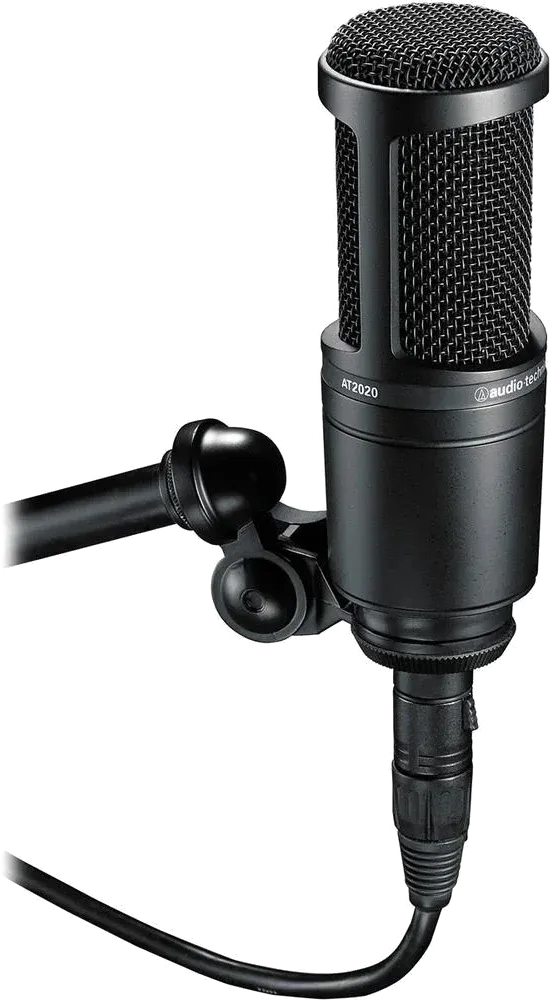
Audio-Technica AT2020
The condenser most home singers start with, with more than 15,000 Amazon ratings behind it.
Check price on AmazonWhat owners say about recording vocals in a bedroom, an apartment or a home studio, and which mic fits your room and the gear you already have.
Heads up: we earn a commission if you buy through our Amazon links, at no cost to you. It never decides our picks. Affiliate disclosure
The condenser most home singers start with, with more than 15,000 Amazon ratings behind it.
Check price on Amazon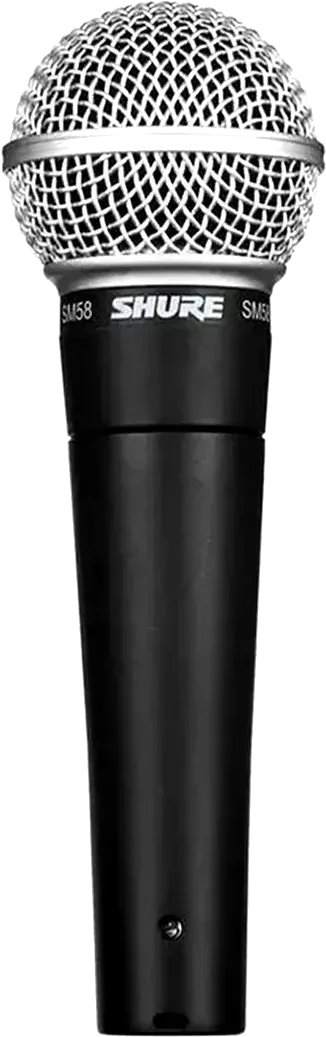
A stage mic that hears your voice and little else, and it's close to indestructible.
Check price on Amazon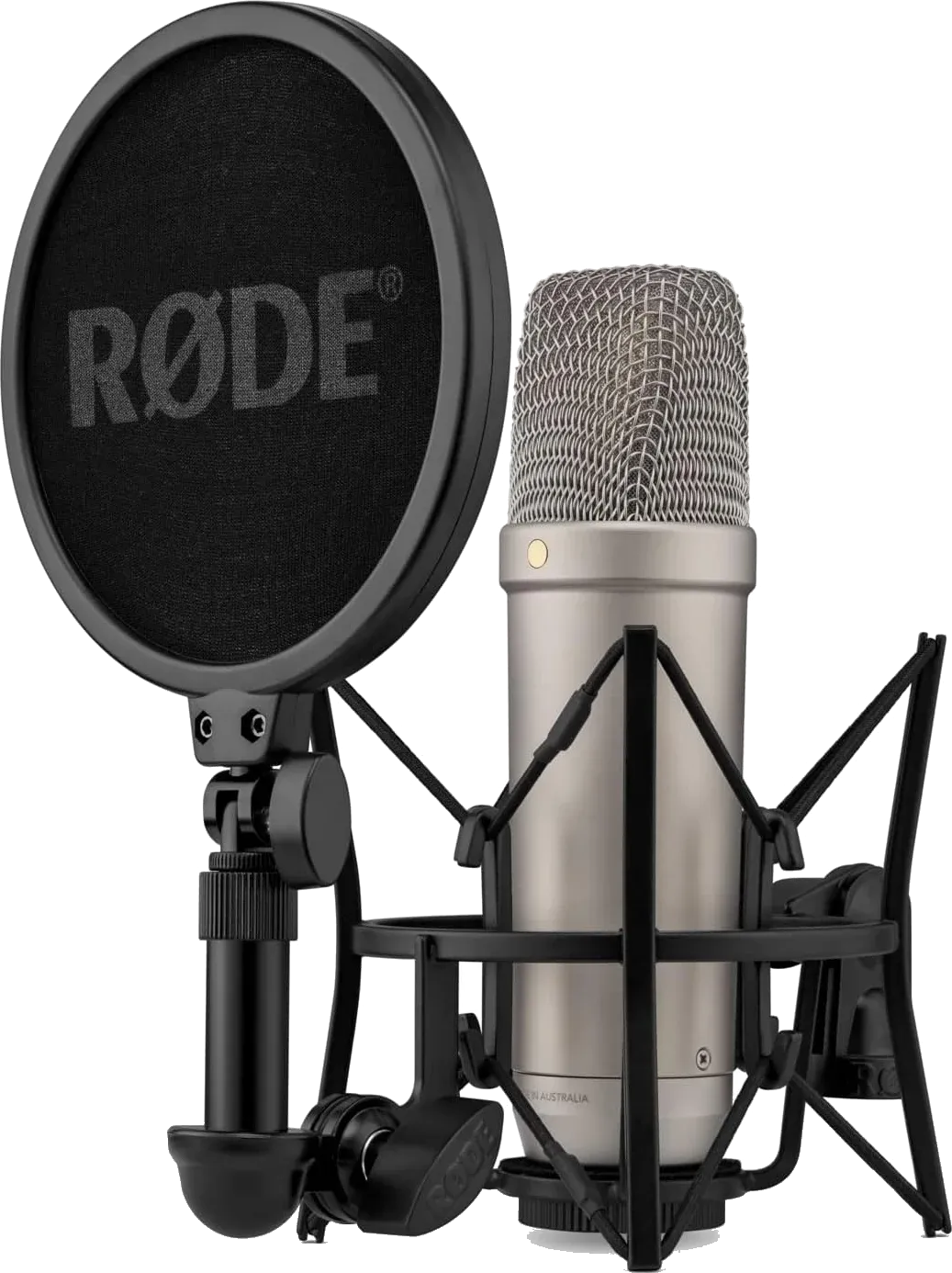
A very quiet condenser with USB and XLR, and the shock mount, pop filter and both cables in the box.
Check price on Amazon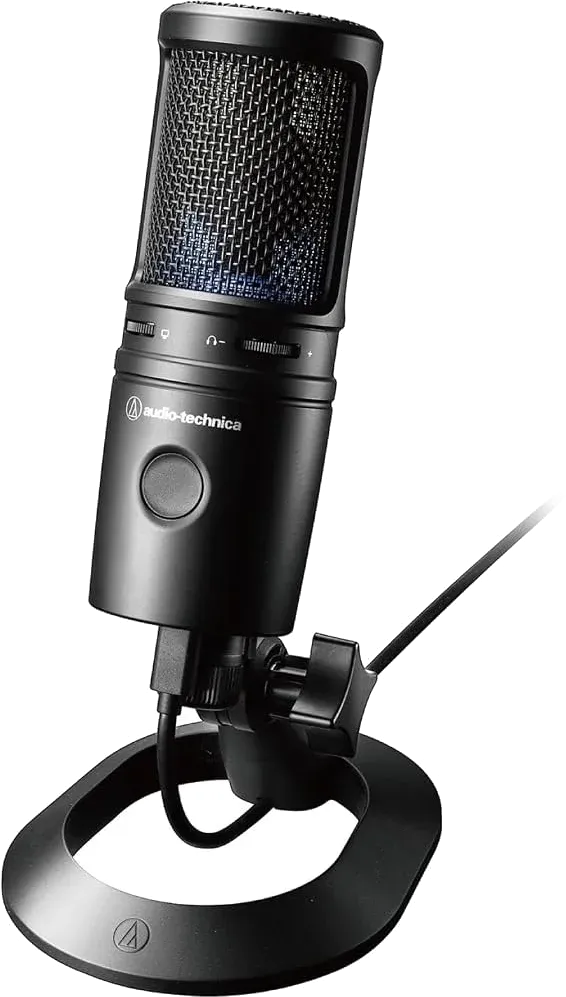
The AT2020 idea in a USB-C mic with a headphone jack and mute on the body.
Check price on Amazon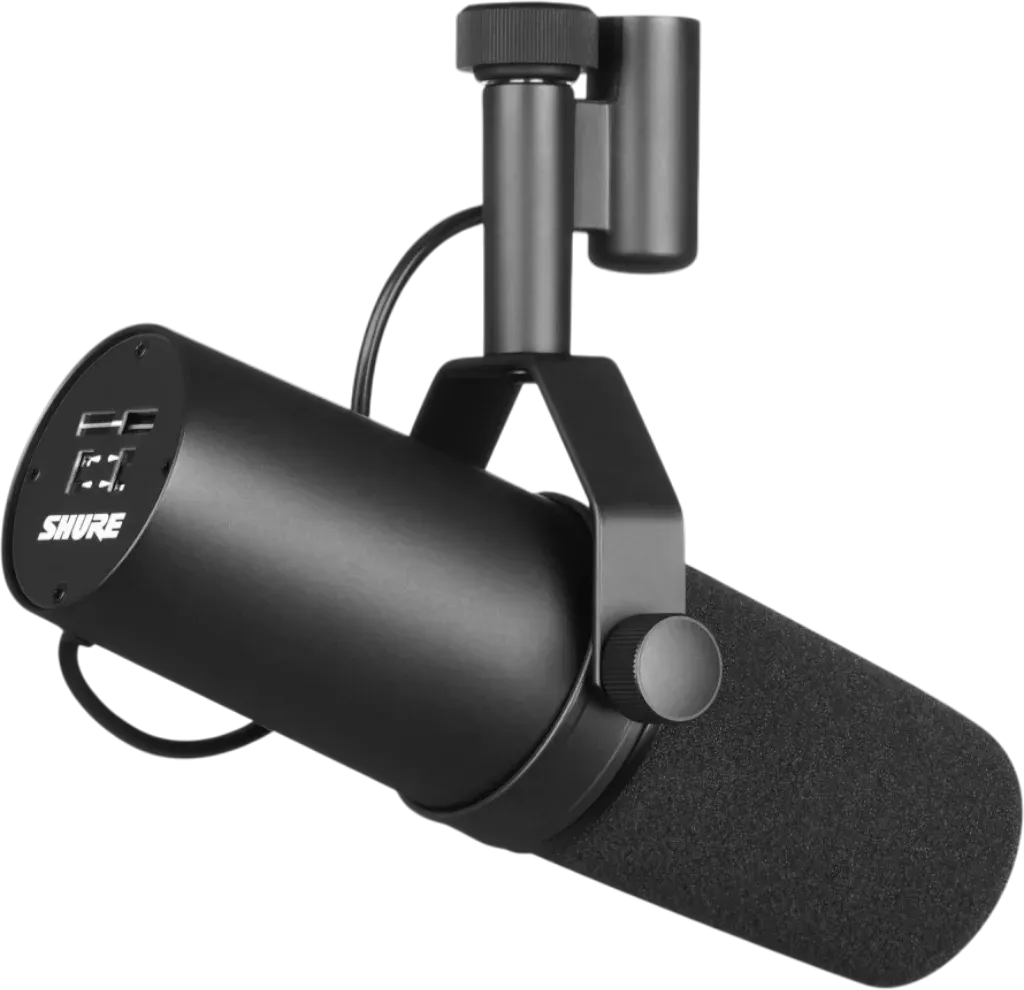
The broadcast mic that ignores your room, if your interface has enough gain to run it.
Check price on AmazonJump to: Audio-Technica AT2020 · Shure SM58 · RØDE NT1 5th Generation · Audio-Technica AT2020USB-X · Shure SM7B
| Pick | Best for | Connects by | Also buy | Most-cited gripe | Owner rating |
|---|---|---|---|---|---|
| Audio-Technica AT2020 | Most home singers | XLR (48V) | Interface, XLR cable, pop filter | Hears the room | 4.7 (15,128) |
| Shure SM58 | Noisy rooms | XLR | Interface, XLR cable | Darker sound | 4.8 (14,687) |
| RØDE NT1 5th Generation | Room to grow | XLR + USB-C | Nothing | USB setup | 4.7 (2,072) |
| Audio-Technica AT2020USB-X | No interface | USB-C | Pop filter | Hears background noise | 4.6 (820) |
| Shure SM7B | Upgraders | XLR | Interface with high gain, XLR cable | Needs lots of gain | 4.8 (12,215) |
Ratings checked on Amazon on October 20, 2026. They change over time.
The verdict: If you already have an audio interface, or are buying one, the AT2020 is the vocal mic we'd start with. It's a condenser, the usual type for studio vocals, and owners keep calling it clear and a lot of mic for the money. Forum regulars often name it when beginners ask what to buy. The catch is that it hears everything. In a bare bedroom it picks up the echo and the noise around you, and a few owners find the top end a bit bright.
It's XLR only and needs 48V phantom power, which most audio interfaces have. Several owners point this out, because the mic stays silent until phantom power is on. The box has a stand mount and a pouch and nothing else, so you'll also need an XLR cable and a pop filter.
One owner has used theirs weekly for 10 years with no repairs and says it sounds the same as it did on day one. In forum threads the usual failure reports are buzzing or silence, and replies usually trace them to phantom power, the cable or the input setting rather than a dead mic.
How often each theme comes up across owner reviews and forum threads.
Setup day
Turn on 48V phantom power on your interface. Without it you'll get silence, the first thing several owners warn about.
First months
Most owners talk about the room: echo and noise come through unless you sing close and soften the space.
Years in
One owner reports 10 years of weekly use with no repairs. Forum failure threads usually end at the cable or phantom power.
The verdict: The SM58 is the mic for singers whose room works against them. It's a dynamic mic built for loud stages, so it picks up what's right in front of it and not much of the room. One owner who also has an AT2020 says the condensers need room treatment and the SM58 doesn't. Owners keep calling it built like a tank, and one still uses one bought 20 years ago. The trade-off shows up in home recording threads. Some people find it dark or flat next to a condenser, and you have to sing right into it.
One owner records audiobooks with it into a Behringer UM2 interface about 2 inches from their mouth, angled so hard P and B sounds don't hit it straight on. They used to record in a walk-in closet and don't need to any more.
It's XLR only, so you need an interface or mixer, and the SM58-LC comes without a cable. It doesn't need phantom power. If you'll also sing live, owners call it the stage standard.
How often each theme comes up across owner reviews and forum threads.
Setup day
Plug it into an interface with an XLR cable you buy separately. No phantom power or drivers needed.
First months
Owners learn to sing close. One owner who records audiobooks works about 2 inches from it.
Years in
It has the steadiest durability record of the five. One owner still uses one bought 20 years ago, and forum posts describe dented grilles that still work.
The verdict: The NT1 5th Gen costs more than the AT2020 but comes ready to record. It has RØDE's shock mount with a pop filter and both an XLR and a USB-C cable. It's also the only pick that does both jobs: plug it into an interface over XLR, or straight into a laptop over USB-C with RØDE's processing and 32-bit float recording, which means a loud note can't distort. Owners mostly describe clean, detailed vocals with very little hiss. The complaints we found are about the USB side.
Forum threads describe the mic not showing up over USB, very low signal, or working in the morning and stopping later. Replies point to RØDE's ASIO driver, a factory reset in the RØDE app and the supplied USB cable. One Amazon owner says getting it to register is "super difficult at times", and another reminds buyers to download the ASIO driver from RØDE's site.
Like any sensitive condenser, it picks up the room. With the shock mount it weighs over 1 kg, and one owner says it makes a cheap boom arm sag. The standard warranty is 1 year, extended to 10 when you register the mic with RØDE.
How often each theme comes up across owner reviews and forum threads.
Setup day
Over USB, install RØDE's software and ASIO driver and use the supplied cable. That's where the setup complaints land.
First months
Forum posts describe the mic dropping out or going quiet over USB.
Years in
Most reviews we read are from 2025 and 2026, so long-term data is thin. Register for the 10-year warranty.
The verdict: If you'd rather not buy an interface at all, the AT2020USB-X plugs straight into your computer over USB-C. It has a headphone jack with its own volume and a mix knob, so you hear yourself with no delay while you sing over a backing track. Owners describe clear sound and a solid build, and say it worked the moment they plugged it in. It's a condenser, though, and the most repeated complaint is how much it hears: furnace vents, gaming PCs, keyboards, even a leaf blower outside.
It has far fewer ratings than the other picks, 820 at the time we checked, so there's less to go on. One owner's headphone jack failed after about three months and gave only static, and another mentioned seeing similar reports of early failures. There's no XLR output, so you can't move it to an interface later.
The box has a desk stand and a USB-C to USB-A cable with an adapter. There's no pop filter, and one owner says plosives come through unless you sing slightly off to the side or add one.
How often each theme comes up across owner reviews and forum threads.
Setup day
Plug in over USB-C and pick it as your input. Owners report no drivers to install.
First months
One owner's headphone jack started giving only static at about three months.
Years in
Not enough long-term reports yet. It has a 2-year warranty.
The verdict: The SM7B is the mic people upgrade to when they want a dynamic mic's room rejection with a fuller, smoother sound than the SM58. All eight Amazon reviews we read gave it five stars. They praise the warm, full sound and an all-metal build that feels made to last, and one owner moved from an AT2020 to it just to stop picking up the room. It costs the most here, and it needs a lot of gain. Shure recommends at least 60 dB.
That gain is the big question before you buy. One owner on a Scarlett Solo says you'll likely need a booster like a Cloudlifter, depending on your interface. Another runs it through a separate preamp and still turns it up afterwards. One owner says the Scarlett 2i2 4th Gen drives it fine without a booster, and another says many newer interfaces have enough clean gain. If you're still choosing an interface, check its maximum gain first.
It's a dark-sounding mic. One owner warns it can make an already deep voice sound muddy, and another tames the low end with the switches on the back. Most of the reviews we read come from podcasters and streamers, so there's less singer feedback than for the other picks.
How often each theme comes up across owner reviews and forum threads.
Setup day
On a basic interface, expect the gain near maximum. Some owners add a booster or a preamp.
First months
One owner uses the switches on the back to tame the low end for their voice.
Years in
Owners describe using it for years. We didn't find a pattern of failures.
A good home vocal mic does two things: it makes your voice sound close and clear, and it doesn’t drag your room into the recording. Which of those is harder depends more on your room than on the mic, so start there.
Clap your hands in the spot where you’ll record. If you hear a ring or a slap back, the room is lively, and a condenser will record that along with your voice. A dynamic mic like the SM58 or SM7B will hear much less of it. If the room is small, carpeted and full of soft furniture, a condenser like the AT2020 or NT1 will give you more detail and air.
An XLR mic needs an audio interface, a small box that powers the mic and turns its signal into something your computer can record (see our beginner audio interface picks). It costs more up front but lets you swap mics, add a second input for guitar and upgrade one piece at a time. A USB mic like the AT2020USB-X plugs straight into your computer and is simpler, but you can’t grow it into a bigger setup. The NT1 5th Gen does both.
Condensers need 48V phantom power, which nearly every interface has. Dynamic mics don’t need power, but they’re quieter, so they need more gain from the interface. The SM58 is fine on a basic interface. The SM7B needs a lot, so check your interface’s maximum gain before you buy one.
Only the NT1 5th Gen comes ready to record, with a shock mount, a pop filter and both cables. The AT2020, SM58 and SM7B come without a cable, and the AT2020 also needs a pop filter. Budget for those on top of the mic.
Condensers like the AT2020 and NT1 are the usual choice for studio vocals because they catch more detail and air, but they also catch your room. Dynamic mics like the SM58 and SM7B hear what's right in front of them and not much else. If your room is quiet and soft, go condenser. If it's echoey or noisy and you can't fix that, go dynamic.
For the AT2020, SM58 and SM7B, yes. They're XLR mics, and the AT2020 also needs 48V phantom power from the interface. The AT2020USB-X plugs straight into a computer, and the NT1 5th Gen can go either way. Our beginner audio interface guide covers which ones to start with.
Yes. Dynamic podcast mics like the Samson Q2U work for vocals much like the SM58 does. They need you close and keep the room out. You give up some of the detail a condenser would catch.
For the AT2020 and AT2020USB-X, yes. Neither comes with one, and owners mention hard P and B sounds getting through. The NT1 has one in the box, and the SM58 and SM7B have pop filtering built into the grille and windscreens.
Usually the room causes it. Bare walls bounce your voice back into the mic, and condensers hear it most. Singing closer, hanging a blanket or curtain behind you, and recording in a room with a rug and soft furniture all help. Forum replies to echo complaints point at the room far more often than at the mic.