
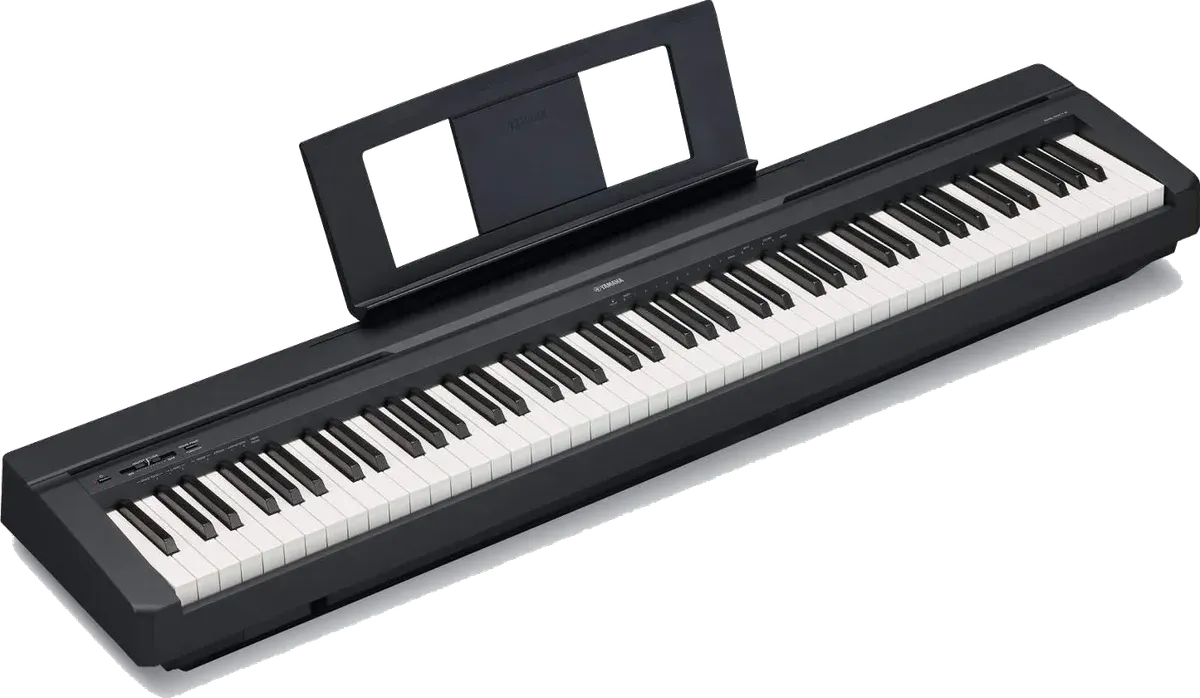
Yamaha P71
Yamaha's basic weighted piano, sold only on Amazon, with more than 6,600 ratings behind it.
Check price on AmazonWhat owners say about learning on a digital piano at home, from key feel and speakers to the pedal in the box, and which one fits your space and budget.
Heads up: we earn a commission if you buy through our Amazon links, at no cost to you. It never decides our picks. Affiliate disclosure
Yamaha's basic weighted piano, sold only on Amazon, with more than 6,600 ratings behind it.
Check price on Amazon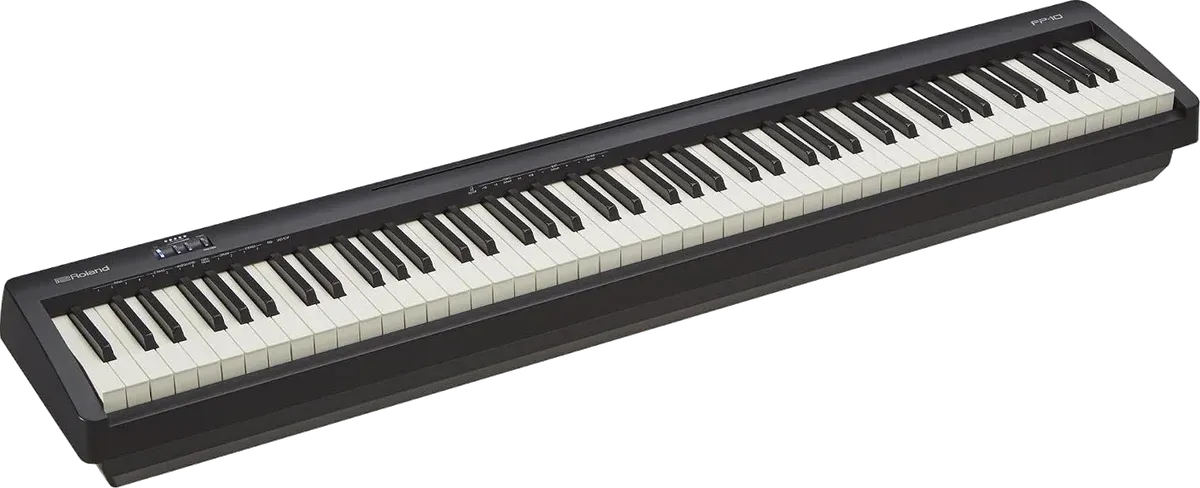
The heaviest, most piano-like keys here, and owners say nothing else at its price comes close.
Check price on Amazon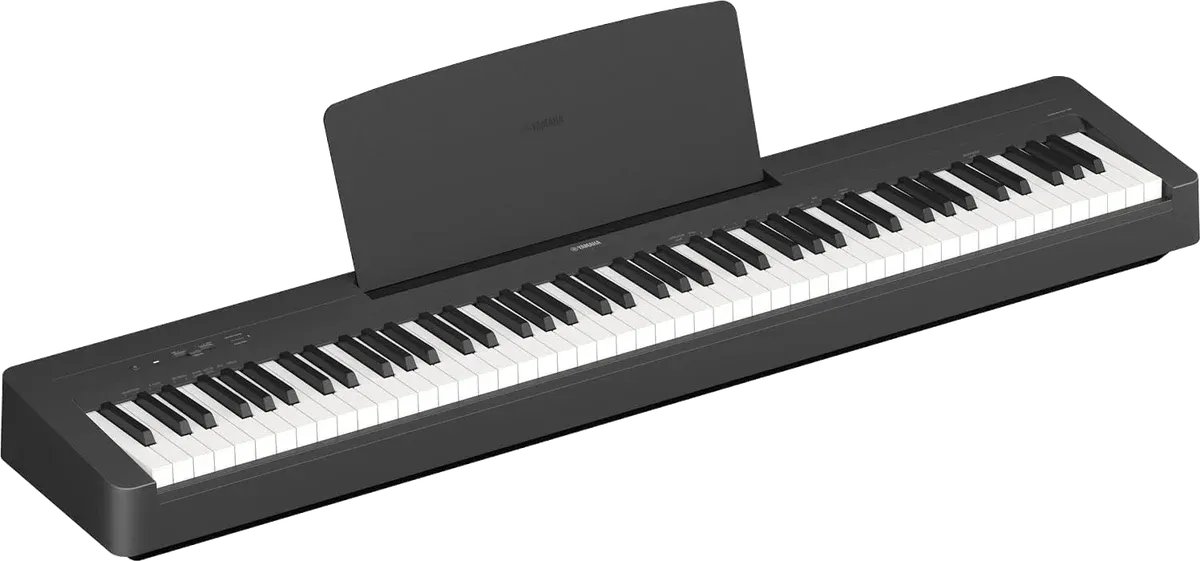
The current Yamaha, with Bluetooth audio so you can play along with songs through its speakers.
Check price on Amazon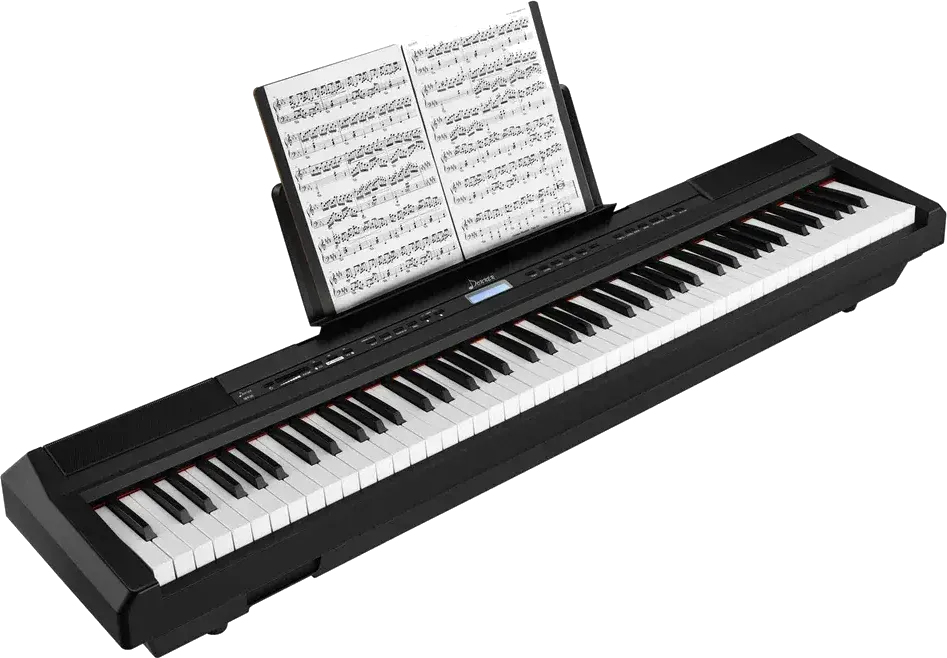
Fully weighted keys, loud speakers and a real piano-style pedal for less than the big brands.
Check price on Amazon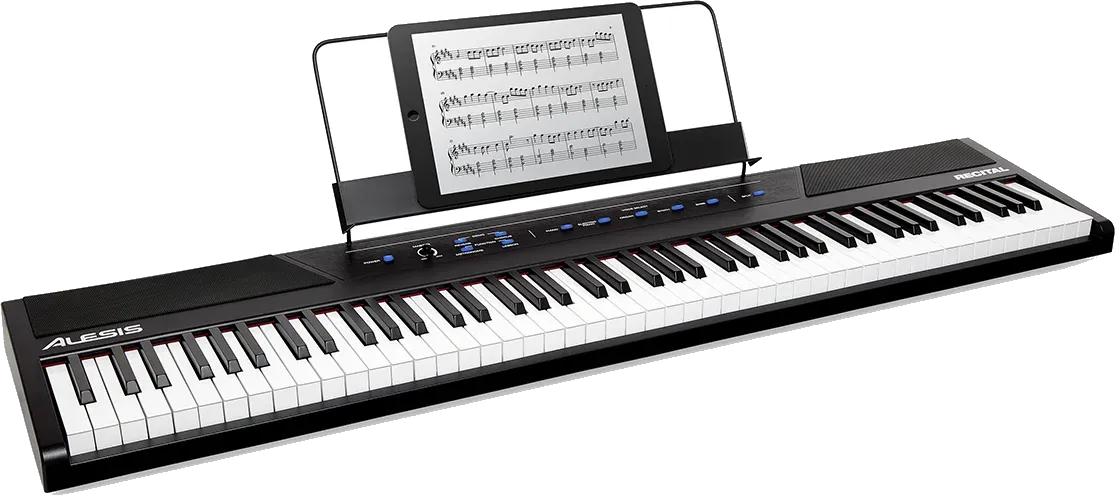
A light 88-key piano with semi-weighted keys and the most ratings of any pick, at the lowest price.
Check price on AmazonJump to: Yamaha P71 · Roland FP-10 · Yamaha P-145BT · Donner DEP-20 · Alesis Recital
| Pick | Best for | Keys | Also buy | Most-cited gripe | Owner rating |
|---|---|---|---|---|---|
| Yamaha P71 | Most beginners | Weighted (GHS) | Stand, better pedal | Weak pedal | 4.7 (6,665) |
| Roland FP-10 | Serious learners | Weighted (PHA-4) | Stand, DP-10 pedal, headphones | Weak speakers | 4.5 (1,757) |
| Yamaha P-145BT | Playing along with songs | Weighted (GHC) | Stand, better pedal | Lighter keys | 4.6 (151) |
| Donner DEP-20 | Tight budgets | Weighted | Stand | Reliability doubts | 4.6 (2,366) |
| Alesis Recital | Kids, casual players | Semi-weighted | Pedal, stand | Light keys | 4.6 (11,689) |
Ratings checked on Amazon on October 21, 2026. They change over time.
The verdict: The P71 is the piano we'd start most beginners on. It's Amazon's own version of the P-45, Yamaha's long-running entry model, and beginners have been asking about it in piano forums for years. Owners keep saying the weighted keys feel close to a real piano and the grand piano sound is good for the money. The top review, from someone who has played for 18 years, picked it after a lot of research. It's a simple instrument: one button and a key change most settings, and there's no screen or Bluetooth to figure out.
The weak spots are the speakers and the pedal. One owner found the bass much louder than the treble through the speakers. Yamaha replaced the piano, and the new one still leans a little bassy, though it sounds right on headphones. Another hears the top octaves as a bit thin. The sustain pedal in the box is a small footswitch, and owners say it slides around on the floor. Plan on a proper piano-style pedal.
It plugs into a computer or tablet over USB, so it also works with learning apps and recording software. Several owners use it that way. One says theirs has run for more than four years without a problem.
How often each theme comes up across owner reviews and forum threads.
Setup day
Plug it in and play. There's no stand in the box, so have a table, an X stand or a furniture stand ready.
First months
The footswitch pedal is what owners replace first. A piano-style pedal stays put and feels more natural.
Years in
One owner reports more than four years with no issues. Another got a replacement from Yamaha when the speakers sounded uneven.
The verdict: If you want keys that feel like a real piano, the FP-10 is the one owners praise most. It uses the same PHA-4 action as Roland's pricier FP-30 and FP-60, with an ivory-feel surface on the keys. Owners call it the best action at its price, and a couple say it makes them want to keep playing. The speakers are the trade-off. Owners describe them as weak and a bit nasal, and most play it through headphones or use it as a MIDI keyboard with piano software on a computer.
The pedal in the box is a basic switch that owners call "a joke" and say slides away under your foot. Roland's DP-10 pedal fixes that and adds half-pedaling. There's no line output and no built-in recorder, so recording the piano's own sound takes extra gear. Bluetooth MIDI connects it to apps like Flowkey and Piano Marvel on a tablet.
The recurring forum worry is clicking keys. Threads going back six years ask how common it is. One Amazon owner hears the action click when playing on headphones, and another says the keys are perfectly quiet. Some players also find the PHA-4 action heavy at first.
How often each theme comes up across owner reviews and forum threads.
Setup day
One owner notes the speakers point down, so it sounds best on a stand. Add a better pedal to your order.
First months
Forum threads about clicking keys and the odd key that sticks or plays too loud show up in the first months.
Years in
One owner warns that if you stick with piano, you may outgrow its speakers and features. We found no pattern of long-term failures.
The verdict: The P-145BT is Yamaha's newest entry-level piano and, when we checked, the best seller in Amazon's home digital pianos category. It's slimmer than the P71, and Bluetooth lets you stream a song from your phone and play along through the piano. It also works with Yamaha's Smart Pianist app for lessons and settings. The five reviews we could read, all from European buyers, say it sounds better than they expected.
There's much less data here than for the other picks: 151 ratings on the US listing when we checked, and Amazon showed us no US reviews. One FP-10 owner who compared the two found the P-145BT's keys lighter and more plastic-feeling, with a crisper sound. A forum regular says people who've played both it and the older P-45 "aren't full of praise generally" for the P-145.
Forum posts so far are about single faults: a damper effect that doesn't come back properly when you lift and press the pedal quickly, and a pair of keys playing at full volume, which a reply blamed on a loose cable. The included pedal is a basic footswitch here too.
How often each theme comes up across owner reviews and forum threads.
Setup day
Pair your phone for Bluetooth audio and install Smart Pianist if you want the lessons.
First months
Forum threads describe a damper that doesn't re-engage on quick pedal changes and keys stuck at full volume.
Years in
Too new for long-term reports. Yamaha's US warranty is 1 year.
The verdict: The DEP-20 is the cheapest way we found to get fully weighted hammer-action keys and a proper pedal. Most of the owners we read call it a lot of piano for the money. They say the weighted keys feel like a real piano, the four speakers are loud and full, and the sustain pedal looks and works like a piano pedal. It also has two front headphone jacks, so a teacher and a student can listen together. The doubts come from forums, where piano players say smaller brands like Donner usually have weaker key actions and sound than Yamaha or Roland.
Reliability is the open question. One Amazon owner had a key start registering every press as a hard hit. They read online that it's a fairly common fault and fixed it by cleaning the sensor board, with instructions and a video from Donner. On Reddit, one owner's DEP-20 broke in under two months, and other threads describe single keys sounding wrong. Another owner is still going strong after more than a year.
It's a big, heavy piano with a thick front edge, and owners say two people should move it. This listing has no stand. Donner sells bundles with a furniture stand and a three-pedal unit. It has 238 sounds, but owners say you scroll through them one by one to find what you want.
How often each theme comes up across owner reviews and forum threads.
Setup day
No stand with this version. One owner's first unit had a strong chemical smell, and Donner replaced it.
First months
The forum failure reports fall here: one piano dead in under two months, plus keys that play at the wrong volume.
Years in
Owners report more than a year of daily use. Donner's warranty is 12 months.
The verdict: The Recital is for a child trying piano, or an adult who mostly wants to play for fun and isn't sure they'll stick with it. It has nearly 11,700 ratings, weighs about 16 pounds, and owners say it sounds good and plays loud enough for practice. The keys are the catch. They're semi-weighted, lighter and springier than a real piano, and one owner admits it won't fool anyone used to hammer action. If you're aiming for lessons and an acoustic piano later, spend more on a weighted pick.
A review with 575 helpful votes explains the volume complaints and walks through the fix. The piano has five volume levels set from a hidden function menu, it doesn't start on the loudest, and kids pressing keys can drop it to the quietest without noticing.
There's no sustain pedal in the box, and one owner calls it a must. One owner's Recital started losing sounds after about three years and then died. Forum threads describe units that stopped turning on or lost a few keys. One forum reply about Alesis pianos says you'll likely want to change within a year.
How often each theme comes up across owner reviews and forum threads.
Setup day
Order a sustain pedal with it. If it sounds quiet, raise the volume level in the function menu.
First months
Owners in lessons start to notice the light keys. Forums say you may outgrow it within a year.
Years in
One owner's piano lost sounds after about three years and then stopped working. Forum threads mention units that won't turn on.
You want a digital piano that feels and sounds close enough to a real one that what you learn carries over. Key feel comes first, then the speakers.
Weighted, or hammer-action, keys push back like an acoustic piano’s, and graded ones are heavier in the bass. That’s what the P71, FP-10, P-145BT and DEP-20 have. Semi-weighted keys, like the Alesis Recital’s, have some resistance but spring back like a keyboard. If you’re taking lessons, start weighted. Among the weighted picks, owners rate the Roland FP-10’s keys the most piano-like. Our digital piano vs keyboard explainer covers what these labels mean, and what to do if you already own a keyboard.
If you’ll practice on headphones, the speakers barely matter, and the FP-10’s weak speakers stop being a problem. If the piano will sit in a living room and get played out loud, owners give the DEP-20’s speakers the best marks, and the P71’s are decent. One FP-10 owner points out that its speakers face down, so it sounds best on a stand.
None of the five comes with a stand. Three of them come with a small square footswitch instead of a piano-style pedal, and owners replace it quickly. The Recital comes with no pedal at all. Add a stand, a bench, a proper sustain pedal and a pair of headphones to the price before you compare.
If you plan to take lessons or play an acoustic piano later, yes. Weighted keys build the finger strength and control a real piano needs. Semi-weighted keys like the Alesis Recital's are fine for kids trying it out or for playing chords for fun, but owners who stick with it tend to outgrow them.
For piano lessons, it's the safe choice. A full 88 keys matches a real piano, so nothing you learn will need keys you don't have. All five picks here have 88.
A stand, a bench and a better sustain pedal. None of these five ship with a stand, and the P71, FP-10 and P-145BT come with a small footswitch that owners say slides around. Headphones help too, especially with the FP-10, whose speakers are its weak point.
Yes. All five connect to a computer or tablet over USB, and the FP-10 also does it over Bluetooth MIDI. The P-145BT works with Yamaha's Smart Pianist app and can play songs from your phone through its speakers.
Forum posts that compare them say the FP-10 has the better keys, and its owners say its speakers are weak. If you'll mostly practice on headphones, the FP-10. If you want a simpler piano with more owner data behind it, the P71. One owner's advice is worth repeating: try them in a store if you can.