
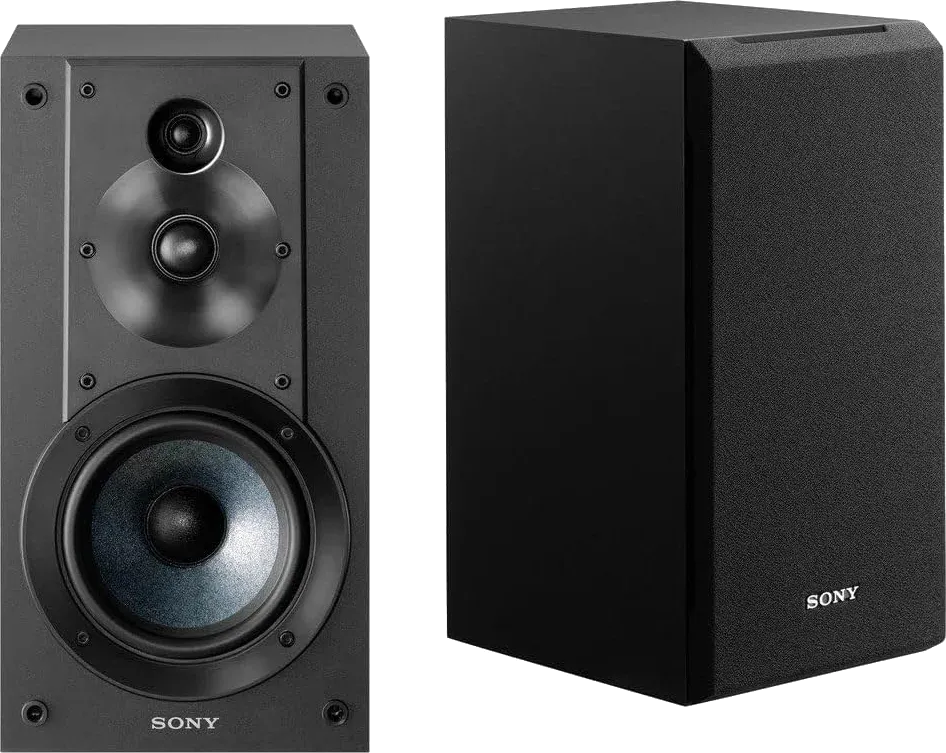
Sony SS-CS5
A three-driver passive speaker with clear, detailed mids and treble, and years of praise from owners and forums.
Check price on AmazonWhat owners say about the sound, the bass and the amp you'll need, and how to decide between passive speakers and a powered pair before you spend anything.
Heads up: we earn a commission if you buy through our Amazon links, at no cost to you. It never decides our picks. Affiliate disclosure
A three-driver passive speaker with clear, detailed mids and treble, and years of praise from owners and forums.
Check price on Amazon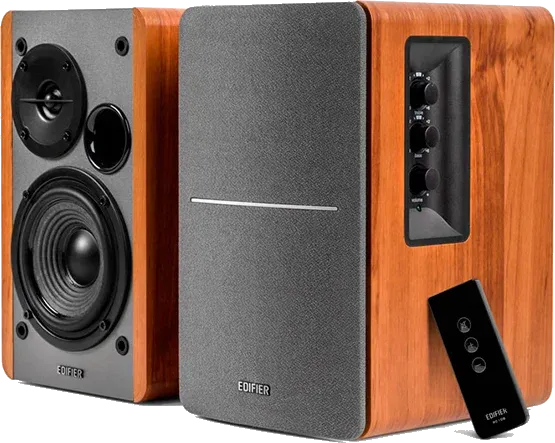
Amplifier built in, so it plugs straight into a computer, TV or turntable, and it's the most-rated pair here by far.
Check price on Amazon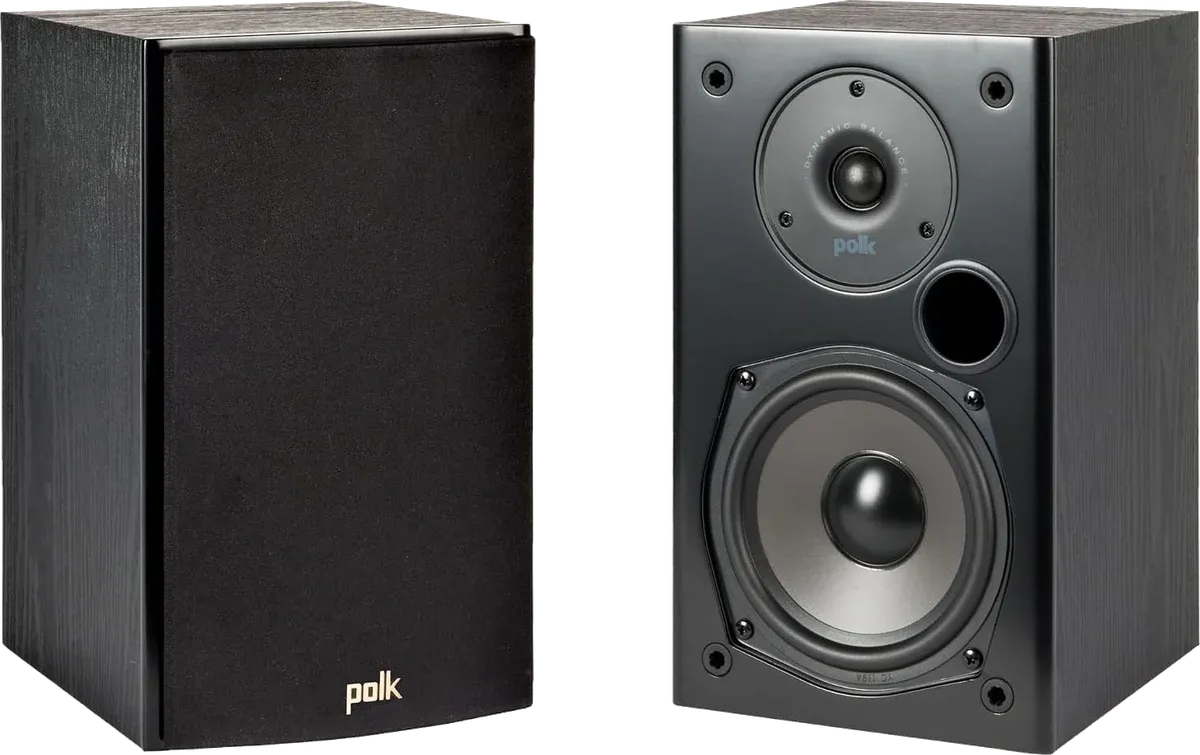
The most-rated passive pair here, with a keyhole for wall mounting, a 5-year warranty and plenty of fans as surrounds.
Check price on Amazon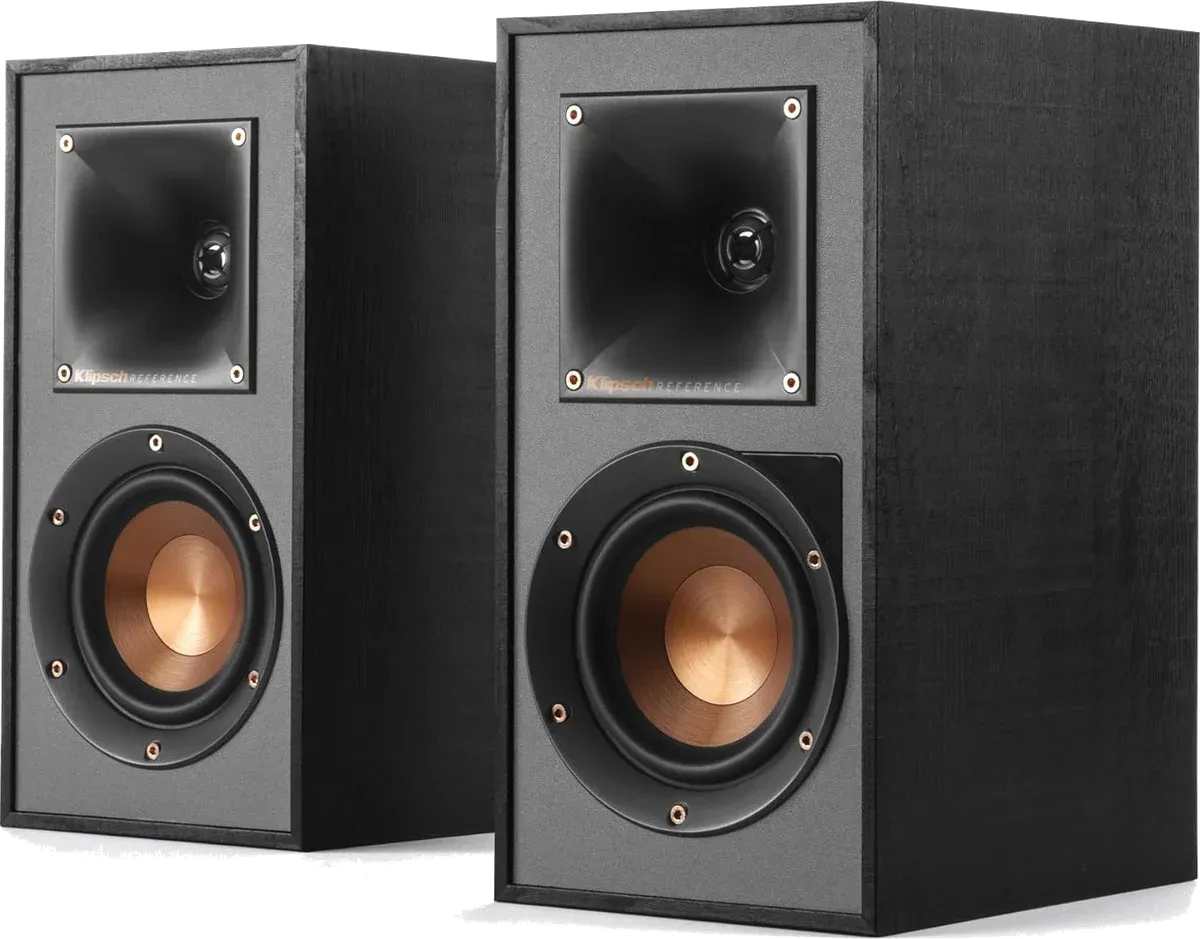
High sensitivity, so a small, cheap amp or an old receiver can drive it, in a compact box for desks and shelves.
Check price on Amazon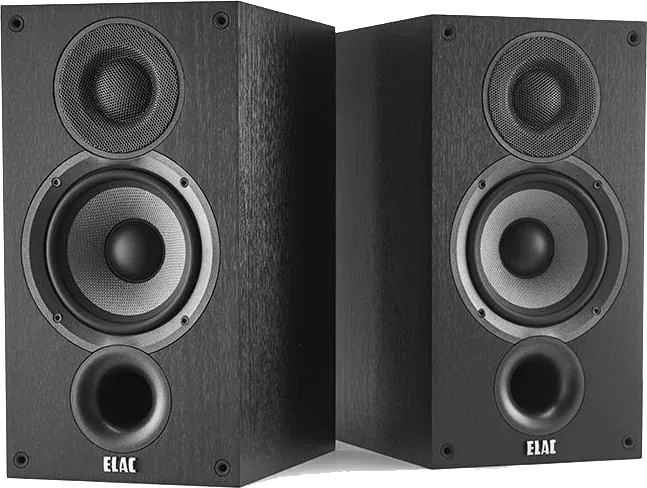
A larger, heavier passive speaker with a front port and a smoother sound that owners say grows on them.
Check price on AmazonJump to: Sony SS-CS5 · Edifier R1280T · Polk Audio T15 · Klipsch R-41M · ELAC Debut 2.0 B5.2
| Pick | Best for | Needs an amp | Woofer | Most-cited gripe | Owner rating |
|---|---|---|---|---|---|
| Sony SS-CS5 | Most people with an amp | Yes | 5.12 in | Lean bass | 4.7 (4,733) |
| Edifier R1280T | No amp at home | No, built in | 4 in | Colored sound | 4.6 (19,393) |
| Polk Audio T15 | Surround speakers | Yes | 5.25 in | Needs a sub | 4.7 (7,409) |
| Klipsch R-41M | Desks and small amps | Yes, small is fine | 4 in | Harsh highs | 4.7 (5,619) |
| ELAC Debut 2.0 B5.2 | A bigger budget | Yes, a good one | 5.25 in | Picky about the amp | 4.7 (2,511) |
Ratings checked on Amazon on October 21, 2026. They change over time.
The verdict: The SS-CS5 is the passive pair we'd start with. It has three drivers per box: a 5.12-inch woofer, a regular tweeter and a small super tweeter, which is unusual at this price. Seven of the ten top Amazon reviewers single out the detail in the mids and highs, and almost all of them say it competes with speakers that cost much more. One owner who also runs Sonus Faber and ELAC speakers found the imaging slightly better than their pricier pair. On r/BudgetAudiophile it's the name that comes up again and again in budget threads, and in head-to-head threads against the Polk T15, replies favor the Sony. It has 4,733 ratings and a 4.7 average.
The bass is the weak spot. Five of the ten reviewers say it's limited, from "dry and clear" but lean to "seriously lacking" next to bigger bookshelf speakers, and one owner's bass test disc showed little below about 50 Hz. Most of them add a subwoofer or say you should. Forum complaints run the same way: one 50-comment Reddit thread calls them "too bright" with "no bass," and another owner found them muffled next to their TV speakers. Owners disagree on the treble. That Reddit owner found it too bright, while a reviewer with a far more expensive system says it "never sounded harsh."
Placement matters for the super tweeter. One reviewer says to put it exactly at ear level and aim it at you, another prefers it a little above ear level. Two reviewers drive theirs with small Fosi class D amps, one uses an Aiyima, and others use AV receivers. One owner reports two years of hard weekly use with no problems. Sony now also sells the SS-CS5M2, a 2025 update with the same driver sizes and far fewer ratings (214), which review sites describe as smoother on top. The warranty is 1 year.
How often each theme comes up across owner reviews and forum threads.
Setup day
You need an amplifier and speaker wire. Nothing in the box powers these speakers.
First hours
One owner says the sound went from thin to fuller over the first few hours of play.
Months in
Owners who want more low bass add a subwoofer. One suggests crossing it over around 80 to 100 Hz.
Years in
One owner reports two years of weekly hard use with no problems. The warranty is 1 year.
The verdict: If you don't own an amplifier, the R1280T is the simplest way to get bookshelf speakers playing. The amp is built into the right speaker, and you plug a computer, TV or turntable into one of its two RCA inputs, which both stay live. It has over 19,000 Amazon ratings, far more than any other pick here. Six of the eight top reviewers say it sounds better than the price suggests, and three mention more bass than they expected from 4-inch woofers.
It has no Bluetooth. Two owners who compared it with other budget speakers say the sound is a bit colored, with muddy mids and soft highs, and one found it flat until they adjusted the bass and treble knobs. One says the included RCA cables fit loosely. Reddit has a few threads about one speaker rattling and one about a blown driver.
Two long-term owners report a year or more of daily use with no problems. The trade-off against the passive picks is upgrades: the amp is part of the speaker, so you can't swap it later. The warranty is 2 years.
How often each theme comes up across owner reviews and forum threads.
Setup day
Plug your source into either RCA input and set the bass and treble knobs on the side to the middle.
First weeks
If the sound seems flat or dull, owners adjust the side knobs before deciding.
Years in
Two owners report a year or more of daily use with no wear. The warranty is 2 years.
The verdict: The T15 is the most-rated passive pair here, with 7,409 ratings and a 4.7 average. It has a 5.25-inch woofer, a 0.75-inch tweeter and a keyhole slot on the back for hanging on a wall. Polk pitches it as a front, rear or surround speaker for a home theater receiver, and that's where owners are happiest. One reviewer who has used a pair as surrounds for years calls them perfect for the job, and another plans to add a second pair as surrounds. Six of the ten top Amazon reviewers say they sound better than the price suggests, and six describe the highs as clear or crisp.
Forums are less kind than the star rating. Threads titled "I keep hearing bad things about the Polk T15s" keep coming up, and in comparison threads against the Sony SS-CS5, replies pick the Sony for music. Amazon owners are more positive: one compares them favorably with Wharfedale speakers that cost far more, and two use them as desktop speakers. Two reviewers say the sound improves with a better amp.
Five reviewers say you'll want a subwoofer for deep bass, and one notes they struggle below about 60 Hz. Two say volume runs out in a large room, so they suit bedrooms, offices and small living rooms. Smaller gripes from single owners: dialogue gets lost at low volume, the grilles aren't magnetic, and the vinyl wrap looks cheap. The listing shows a 5-year parts and labor warranty.
How often each theme comes up across owner reviews and forum threads.
Setup day
Connect speaker wire from your receiver or amp. One owner says to keep the tweeter at or just below ear level, or above it for surrounds.
First hours
One owner says they took a few hours to open up.
Years in
One surround owner reports years of use with no problems. The listing shows a 5-year parts and labor warranty.
The verdict: The R-41M is the smallest passive pair here and the easiest to drive. Its rated sensitivity is 90 dB, the highest of the passive picks, which means it gets loud with less amplifier power. In the top Amazon reviews, owners run it from small class D amps, a vintage Marantz receiver and a mini tube amp. Six of the eight reviewers say it sounds much bigger than it looks, and five call it clear and detailed. It has 5,619 ratings and a 4.7 average.
The horn-loaded tweeter is what owners argue about. One Amazon reviewer calls the Klipsch reference line "a love it or hate it kind of speaker," because some find the highs harsh and tiring. On Audio Science Review's long thread about this model, one poster calls it "one of the most ghastly and fatiguing loudspeakers I've ever heard," while plenty of others enjoy it. If you can, listen before you buy. One owner found it on demo at their local Best Buy.
Three reviewers say you'll want a subwoofer for deep bass, which is expected from a 4-inch woofer. The listing shows a 7-year parts and labor warranty.
How often each theme comes up across owner reviews and forum threads.
Setup day
Any small amp will do. Owners use small class D amps and old receivers without trouble.
First weeks
If the highs tire you out, try aiming the speakers slightly away from you or lowering the treble.
Years in
The listing shows a 7-year parts and labor warranty.
The verdict: If you can spend more, the Debut 2.0 B5.2 is the most "hi-fi" pair here. It has a 5.25-inch aramid woofer, a cloth dome tweeter and thick, braced cabinets. Five of the eight top reviewers praise the detail and a soundstage wider than the speakers themselves, and three say the build feels heavy and solid. Its port is on the front, so two owners say placement near a wall is forgiving. It has 2,511 ratings, the fewest of the five, and a 4.7 average.
It's picky about the amp. Three reviewers say these speakers show the limits of whatever drives them, and the happy owners pair them with a decent amp or receiver. Two say the treble sounded a little bright at first and settled after 30 or more hours of play. Three say the bass is limited without a sub.
One reviewer returned a pair after comparing it side by side with Infinity speakers. Another notes there are no rubber feet, so the speakers can wobble. ELAC has since released the Debut 3.0, but it costs much more. The warranty is 3 years.
How often each theme comes up across owner reviews and forum threads.
Setup day
Budget for a decent amp. Owners say these speakers show its weaknesses.
First month
Two owners say the treble softened after 30+ hours of play. Give them a few weeks before judging.
Years in
The warranty is 3 years.
Bookshelf speakers are small stereo speakers meant for a shelf, desk or stand. On a budget, the choice comes down to three questions: do you have an amplifier, how big is the room, and how do you like your treble.
Passive speakers need a separate amplifier or receiver and speaker wire. Powered speakers have the amp built in and plug straight into your source. If you’re starting from nothing, a powered pair like the Edifier R1280T is the simpler setup. Passive speakers make sense if you already own a receiver, or if you want to upgrade the amp and the speakers separately over time. Our active vs passive speakers explainer goes through cost, sound, upgrades and repairs in more detail.
If you pick a passive pair and don’t own an amp, add one to the cost. Small class D amps are the usual budget choice, and some include Bluetooth. The Klipsch R-41M is the easiest of our picks to drive with a tiny amp. The ELAC B5.2 benefits most from a better one.
Bigger woofers move more air. The Klipsch’s 4-inch woofer suits a desk or a small bedroom. The Sony, Polk and ELAC have woofers around 5 inches, which handle a living room better. None of them play deep bass, so plan on a subwoofer later if that matters to you.
The most common complaint across these speakers is bright or harsh treble. The Klipsch draws it most often, the Sony splits owners, and the ELAC draws it least. If you’re sensitive to it, use the amp’s treble control, or choose the ELAC.
Passive ones do, and four of our five picks are passive. They have no power of their own, so you need an amplifier or AV receiver, plus speaker wire. Powered speakers like the Edifier R1280T have the amp built in and plug straight into a computer, TV or turntable.
For a first setup, r/BudgetAudiophile's usual answer is a small, inexpensive class D amp, such as the Fosi Audio V3 or BT20A or an Aiyima A07. They're small, put out plenty of power for these speakers, and some add Bluetooth. If you already own an AV receiver, use that instead.
Not to start. Reviewers of every pick here find the bass fine for casual listening, and most say a sub is what you add later for deep bass in movies or bass-heavy music. Small woofers stop well above the lowest notes.
Yes, but check whether your turntable has a phono preamp built in. With passive speakers, the turntable plugs into the amp, so the amp needs a phono input or the turntable needs its preamp on. For a powered pair built for records, see our guide to powered speakers for turntables.
Owners of the Sony, Polk and ELAC say the sound improved over their first hours of play, and the idea comes up often on forums. Whether the speaker changes or you get used to it, give a new pair a couple of weeks before you decide to return it.